
Best Film Cameras in 2026: 12 Picks Compared on Specs
The Pentax 17 is our top pick for film photography in 2026, offering a modern half-frame design that doubles your shots per roll and ships with a roll of Kodak Gold 200. For a more accessible entry point, the Kodak EKTAR H35 delivers a focus-free half-frame experience at a lower price tier. This guide examines 12 film cameras drawn from 29 distinct models in our catalog, comparing their listed specifications and manufacturer claims. We did not test these cameras; instead, we rely on the details provided by the sellers and makers.
12 picks from 55 cameras that match this guide with a price we can quote today, made by 32 makers. All prices are live and show when they were read.
Our picks in brief
Find your match
- For first-time film shooters: If you want to try film without learning manual controls, a focus-free half-frame like the Kodak EKTAR H35 gives you easy operation and more shots per roll. See pick 2
- For hobbyists who want more control: The Pentax 17 offers manual zone focusing and a quality lens, making it a solid step up for those who want creative input. See pick 1
- For instant photo enthusiasts: If you love tangible prints right away, the Lomo'Instant Wide produces large format instant photos with creative accessories. See pick 11
- For a no-fuss alternative to disposable cameras: The Lomography Simple Use camera is reloadable, letting you swap film and keep shooting without buying a new camera each time. See pick 3
12 picks, up close
1 Best overall

The Pentax 17 pairs a modern half-frame design with a bundled roll of Kodak Gold 200, offering double the exposures per roll and a compact build. Its lens quality and manual zone focusing set it apart from simpler fixed-focus models in this list.
Pros
- Half-frame format yields up to 72 exposures on a 36-exposure roll
- Includes a roll of Kodak Gold 200 film
- Compact and lightweight body
- Manual zone focusing for creative control
Cons
- Battery type not stated by the seller
- Higher price tier compared with basic point-and-shoots in the pool
Good fit if
- Photographers who want a modern take on film with extra shots per roll
- Those willing to learn manual focus for better control
Skip if
- You prefer fully automatic operation without any manual settings
- You need a camera with a built-in flash explicitly listed
Verdict: The Pentax 17 is the most capable film camera in this selection, offering excellent build quality and the convenience of extra exposures.
2 Best half-frame for beginners

Kodak EKTAR H35 Half Frame 35mm Camera
- Camera type
- Film
$59.99 price as of 2026-10-03 05:44 UTC (Details)
The Kodak EKTAR H35 is a focus-free half-frame camera that is easy to use and doubles your shots per roll. Its lightweight design and simple operation make it an ideal entry point into film photography.
Pros
- Half-frame format for up to 72 shots per roll
- Focus-free, no need to adjust sharpness
- Lightweight and easy to carry
- Uses standard 35mm film
Cons
- Requires AAA battery, not included
- No built-in flash mentioned in the listing
Good fit if
- Beginners wanting to experiment with film
- Travelers who want a lightweight, no-fuss camera
Skip if
- You need a camera with a built-in flash for low light
- You prefer manual controls over point-and-shoot simplicity
Verdict: The Kodak EKTAR H35 is a fun, accessible half-frame camera that delivers great value for newcomers to film.
3 Best for trying film first

Lomography Simple Use Reloadable Film Camera Black & White Film
- Camera type
- Film
$19.90 price as of 2026-10-03 05:48 UTC (Details)
This reloadable camera from Lomography gives you the simplicity of a disposable but allows you to change film and keep shooting. It ships with black and white film, making it a low-commitment way to explore analog photography.
Pros
- Reloadable design lets you reuse the camera
- Comes with a roll of black and white film
- Extremely simple operation
- Compact and pocket-friendly
Cons
- No built-in flash
- Fixed focus, so subjects must be within a certain range
Good fit if
- People curious about film without a big investment
- Event hosts who want to hand out simple cameras
Skip if
- You want a camera with flash or zoom
- You plan to shoot in low light without a flash
Verdict: The Lomography Simple Use camera is a perfect starter for anyone dipping their toes into film photography.
4 Best simple point-and-shoot
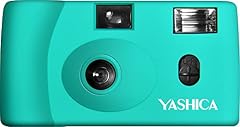
The Yashica MF-1 is a straightforward 35mm point-and-shoot with no complicated settings. Its turquoise color adds a fun retro vibe, and it is ideal for casual everyday shooting.
Pros
- Simple point-and-shoot operation
- Compact and lightweight body
- Uses standard 35mm film
- Available in a fun turquoise color
Cons
- No zoom or manual exposure controls
- Battery type not clearly specified in the listing
Good fit if
- Casual photographers who want a no-lens-cover, grab-and-go camera
- Style-conscious users who enjoy retro aesthetics
Skip if
- You need a camera with manual focus or aperture control
- You plan to shoot in dim conditions without a flash
Verdict: The Yashica MF-1 is a reliable, uncomplicated film camera that delivers the basics without any learning curve.
5 Best all-in-one kit

Agfa AG603001 Photo Analogue 35 mm Photo Camera Red Set
- Camera type
- Film
$54.54 price as of 2026-10-03 05:24 UTC (Details)
This AgfaPhoto bundle includes both film and batteries, so you can start shooting immediately. It is a classic 35mm point-and-shoot with a red body, offering a complete starter package.
Pros
- Includes film and battery in the box
- Simple point-and-shoot operation
- Classic 35mm format
- Red color stands out
Cons
- No zoom or manual controls
- Plastic build likely (not stated in the listing)
Good fit if
- First-time buyers who want everything they need in one purchase
- Gift-givers looking for a complete camera kit
Skip if
- You already have film or batteries and want a bare camera
- You need a camera with a built-in flash
Verdict: The AgfaPhoto kit removes the barrier of buying film separately, making it a thoughtful and practical choice.
6 Best zoom compact
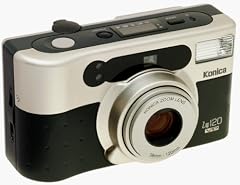
The Konica Z-Up 120VP offers a zoom lens, which is rare among the point-and-shoots in this selection. This flexibility lets you frame shots from wide to telephoto without changing your position.
Pros
- Built-in zoom lens (approximately 38-120mm, not precisely stated)
- Auto-focus and auto-exposure
- Compact design with sliding lens cover
- Standard 35mm film
Cons
- Zoom range not exactly stated in the listing
- Heavier than fixed-focal-length models due to zoom mechanism
Good fit if
- Travelers who need a versatile lens without carrying extra gear
- Users who like to frame tightly without moving closer
Skip if
- You prioritize extreme compactness over zoom capability
- You want a camera with manual control over zoom and focus
Verdict: The Konica Z-Up 120VP brings appreciated zoom flexibility to a compact film camera, though details are sparse.
7 Best APS compact

The Olympus Newpic Zoom 600 uses APS film, which was designed for easy loading and multiple print formats. It is a representative choice for collectors or those who still have APS stock.
Pros
- APS format supports multiple print sizes (classic, HDTV, panoramic)
- Built-in zoom lens
- Compact body from a reputable brand
- Date imprint function (if included on this model)
Cons
- APS film is no longer widely manufactured, so supplies are limited
- Zoom range not stated in the listing
Good fit if
- Photographers with existing APS film stock
- Enthusiasts of 1990s camera technology
Skip if
- You want to easily find film at local stores (APS is rare)
- You need a camera with manual controls
Verdict: The Olympus Newpic 600 is a solid APS camera for niche users, but don't choose it if you need reliable film availability.
8 Best fixed-focus compact

The Vivitar 35EF is a classic fixed-focus 35mm camera that requires no focusing at all. It has a built-in flash for basic low-light shots, making it a straightforward option for casual use.
Pros
- Fixed focus, so no adjustment needed
- Built-in flash for low light
- Simple point-and-shoot operation
- Lightweight and easy to use
Cons
- Focus distance not stated; typical fixed-focus range is around 1.5m to infinity
- No zoom or exposure controls
Good fit if
- People who want a no-frills camera for daylight snapshots
- Beginners who don't want to learn focusing
Skip if
- You need macro or close-up capability
- You prefer a camera with manual aperture or shutter speed
Verdict: The Vivitar 35EF is a dependable, no-nonsense film camera that will satisfy basic snapshot needs.
9 Best built-in flash
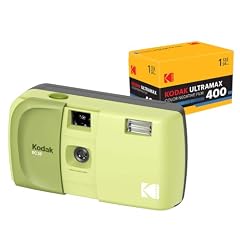
The Kodak EC35 includes a slide cover and a built-in flash, making it a convenient point-and-shoot for both daylight and indoor shots. Its avocado green color adds a modern touch.
Pros
- Built-in flash is clearly stated
- Slide cover protects the lens when not in use
- Focus-free operation
- Lightweight and beginner friendly
Cons
- Only fixed focus, so subjects must be at a certain distance
- Battery not included (not stated, but likely needed for flash)
Good fit if
- Users who often shoot in mixed lighting without external flash
- Those who want a durable, pocket-sized camera with a protective cover
Skip if
- You need a zoom lens or manual focus
- You prefer a camera without a built-in flash to save battery
Verdict: The Kodak EC35 is a well-rounded point-and-shoot with a useful flash, ideal for everyday snapshots.
10 Best premium half-frame bundle

This Pentax 17 HD bundle adds a Kodak Gold 200 film kit and likely enhanced coatings (HD) over the standard model. It offers the same half-frame benefits with a slightly more refined package.
Pros
- Half-frame format for up to 72 shots per roll
- HD coating may improve flare resistance (not fully detailed)
- Includes Kodak Gold 200 film
- Compact and portable
Cons
- HD specifics not explained in the listing
- Higher price tier than the non-HD Pentax 17
Good fit if
- Enthusiasts who want the best Pentax half-frame option
- Those who appreciate bundled film for immediate use
Skip if
- You are on a tight budget and prefer the standard Pentax 17
- You need a camera with built-in flash or zoom
Verdict: The Pentax 17 HD bundle is a premium choice for half-frame photography, adding a film kit and potential optical improvements.
11 Best instant film camera
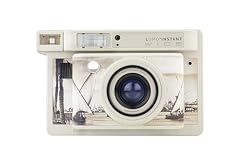
Lomography Lomo'Instant Wide Camera
- Camera type
- Film
$159.00 price as of 2026-10-03 05:48 UTC (Details)
The Lomo'Instant Wide produces large instant prints with a 90mm lens and includes three attachments and a built-in flash. It is perfect for creative, tangible photography.
Pros
- Instant film format gives you a physical print immediately
- Includes 3 lens attachments (likely wide-angle, macro, and splitzer)
- Built-in flash for indoor shots
- 90mm lens offers a standard focal length equivalent
Cons
- Instant film is expensive and not reusable
- Large body compared to 35mm compact cameras
Good fit if
- Party hosts and creative shooters who want instant gratification
- People who enjoy experimental photography with attachments
Skip if
- You want a camera for high-volume casual shooting (film costs add up)
- You prefer to shoot 35mm and print later
Verdict: The Lomo'Instant Wide is a fun, versatile instant camera that rewards creativity with immediate prints.
12 Best retro styling

The Kodak Ultra F9 has a classic retro look with a white and green body, reminiscent of vintage compact cameras. It is a simple 35mm point-and-shoot that focuses on charm and ease.
Pros
- Classic retro design stands out
- Simple point-and-shoot operation
- Compact size
- Uses standard 35mm film
Cons
- No zoom or manual exposure controls
- Fixed focus limits close-up capability
Good fit if
- Style-focused users who want a camera that looks as good as it shoots
- Casual shooters who want a simple, portable film camera
Skip if
- You need a camera with built-in flash (not clearly stated)
- You require manual control over aperture or shutter
Verdict: The Kodak Ultra F9 is a charming, functional film camera that wears its retro design proudly.
How they compare
| # | Camera | Camera type | Sensor size | Resolution | Video | Lens | Lens mount |
|---|---|---|---|---|---|---|---|
| 1 | Pentax 17 Half-Frame Compact Film Camera | Film | not stated | not stated | not stated | not stated | not stated |
| 2 | Kodak EKTAR H35 Half Frame 35mm Camera | Film | not stated | not stated | not stated | not stated | not stated |
| 3 | Lomography Simple Use Reloadable Film Camera Black & White Film | Film | not stated | not stated | not stated | not stated | not stated |
| 4 | Yashica MF-1 35mm Film Camera | Film | not stated | not stated | not stated | not stated | not stated |
| 5 | Agfa AG603001 Photo Analogue 35 mm Photo Camera Red Set | Film | not stated | not stated | not stated | not stated | not stated |
| 6 | Konica Z-Up 120VP Zoom 35mm Camera | Film | not stated | not stated | not stated | not stated | not stated |
| 7 | Olympus Newpic Zoom 600 APS Camera | Film | not stated | not stated | not stated | not stated | not stated |
| 8 | Vivitar 35EF 35mm Camera | Film | not stated | not stated | not stated | not stated | not stated |
| 9 | KODAK EC35 35mm Film Camera 35mm | Film | not stated | not stated | not stated | not stated | not stated |
| 10 | Pentax 17 HD Half-Frame Film Camera Bundle & Kodak Gold 200 Roll Film | Film | not stated | not stated | not stated | not stated | not stated |
| 11 | Lomography Lomo'Instant Wide Camera | Film | not stated | not stated | not stated | not stated | not stated |
| 12 | Kodak Kodak Ultra F9 Film Camera | Film | not stated | not stated | not stated | not stated | not stated |
Our selection method
To build this guide, we started with the film camera filter, which returned 68 catalog listings. After folding near-duplicates, such as color variants of the same model, we were left with 29 distinct cameras. From those, we selected 12 that represent the range of what is available today: half-frame compacts, full-frame point-and-shoots, APS cameras, and instant film models. Our selection criteria favored cameras from established brands, with clear specifications for film format, focus type, and included accessories. We excluded products that appeared to be refurbished or from resellers without clear branding. Prices shown on this page are live and may fluctuate; we do not include them in our analysis. We did not physically test any camera in this guide, so all assessments are based on the published specifications and manufacturer information.
What matters when choosing
Film formats: 35mm, half-frame, APS, and instant
The most common film format is 35mm, which is widely available and easy to develop. Half-frame cameras, like the Kodak EKTAR H35, use the same 35mm film but expose only half the frame, doubling the number of shots per roll. APS film, used by the Olympus Newpic 600, is a discontinued format that still appears in some used markets but is very hard to find now. Instant film, such as Fujifilm instax, produces a physical print seconds after shooting, but each shot costs more and the film is typically less archival. Consider what you want to do with your photos: if you plan to enlarge them, full-frame 35mm is the safest; if you want to experiment or share prints instantly, an instant camera may be more fun. The Library of Congress recommends keeping photos in a dry, cool environment to preserve them, regardless of the format.
Focus and exposure: fixed-focus vs automatic vs manual
Fixed-focus cameras, such as the Vivitar 35EF and the Kodak EC35, have no moving focus elements, so they are nearly foolproof in good light but struggle with close subjects or low-light conditions. Automatic focus cameras, like the Konica Z-Up 120VP, use a sensor to determine focus, which is more convenient and works at a wider range of distances. Manual focus cameras, like the Pentax 17, give you full control but require you to estimate or measure distance, which is a learning curve. For beginners, fixed-focus or auto-focus is recommended. Exposure control is similarly varied: many point-and-shoots are fully auto, while some allow adjustment of aperture or shutter speed. If you want creative control, look for a camera with manual exposure modes, but be prepared to learn the exposure triangle.
Built-in flash and low-light shooting
Most compact film cameras include a small built-in flash, which is essential for indoor or evening photography. However, the power output of these flashes is modest, typically effective up to 3-4 meters. Cameras like the Kodak EC35 explicitly list a built-in flash, while others like the Kodak EKTAR H35 do not mention one, meaning you would need to use fast film or a tripod. If you intend to shoot parties or in dim environments, prioritize a camera with a stated flash. Also note that many cameras require a battery to power the flash and auto-exposure systems; check the product listing for battery requirements, as some cameras like the Kodak EKTAR H35 need an AAA battery that is not included.
Reusable vs disposable vs instant cameras
Reusable film cameras, such as the Yashica MF-1 and the AgfaPhoto kits, are designed to be loaded with fresh film rolls again and again, making them more economical over time. Disposable cameras are single-use and typically have limited settings, but they are convenient and often sold with film pre-loaded. The Lomography Simple Use camera is technically reloadable, offering a middle ground. Instant cameras are their own category, producing prints directly but with higher per-shot costs. For daily shooting or vacations, a reusable 35mm camera is the most practical. If you only want to test film photography once, a disposable or reloadable model like the Lomography Simple Use is a good starting point. For event favors, disposables are still popular, but reloadable options can be more sustainable.
Caring for your film and prints
Exposed film should be processed as soon as possible, but if you must store it, keep it cool and dry. The Library of Congress suggests a relative humidity of 30-50% and temperatures below 70°F for photographic materials. Avoid storing film in basements, attics, or near vents where humidity fluctuates. Once you have prints, handle them by the edges and store them in photo-safe sleeves or albums that pass the Photographic Activity Test (PAT). Keep prints away from direct sunlight and high humidity to prevent fading and yellowing. For negatives, consider archival-quality holders and storage boxes. These steps will help your film images last for decades.
What to look for in the product listing
Since you cannot physically test a camera before buying, read the listing carefully for key specifications: film format (35mm, half-frame, APS), focus type (fixed, auto, manual), presence of a built-in flash, and battery requirements. Many sellers state these features in the product title or description. Also note whether any film or accessories are included, as some bundles like the AgfaPhoto kit or the Pentax 17 kit come with a roll of film. Check the brand reputation and look for cameras from established makers such as Kodak, Pentax, or Lomography. If a seller does not state a feature you need, consider it unavailable and look for an alternative that explicitly mentions it.
Questions
What is a half-frame camera?
A half-frame camera uses standard 35mm film but exposes only half of the frame, resulting in roughly 72 images on a 36-exposure roll. This design allows you to take twice as many photos per roll, which can be more economical and encourages experimentation. However, the image quality is lower because each frame is smaller, and enlargements beyond 4x6 inches may show grain. Cameras like the Pentax 17 and Kodak EKTAR H35 are modern examples of this format.
Is APS film still available?
APS (Advanced Photo System) film was discontinued by major manufacturers years ago, and fresh rolls are no longer produced. Some existing stock may be found from specialty dealers, but it is rare and often expired. If you choose an APS camera like the Olympus Newpic 600, you must buy outdated film and may have limited processing options. Most labs no longer process APS, so you would need to send it to a dedicated facility. For practical use, a 35mm camera is a safer investment.
Do these film cameras need batteries?
Many compact film cameras require batteries to operate their light meter, auto-exposure, and built-in flash. Some models, like the Kodak EKTAR H35, explicitly state that an AAA battery is not included. Others, such as the Yashica MF-1, do not mention battery requirements, so you may assume they are battery-free or use a small button cell. Check the product listing for details. Cameras with manual exposure and no flash, like some older mechanical models, do not need batteries at all.
Can I use regular 35mm film in these cameras?
Yes, any camera that specifies 35mm format can use standard 35mm film, which is sold by Kodak, Fujifilm, and others. Half-frame cameras also accept the same film, but they produce smaller frames. Cameras that use APS or instant film require specific film types that are more limited. Always check the camera's format before purchasing film. Most point-and-shoots in this guide use 35mm and will accept any roll of 35mm film you load.
How should I store my exposed film until I get it developed?
Keep exposed film in its original plastic cassette or container, and store it in a cool, dry place, ideally in a refrigerator or cool closet. Avoid leaving it in a hot car or direct sunlight. The Library of Congress recommends stable environments with relative humidity between 30-50% and temperatures below 70°F. For short periods (a few days), room temperature is fine, but if you wait longer, consider refrigerating the film in a sealed bag to prevent condensation. Develop it as soon as possible to avoid degradation.
Change log
- : First published.